
Visit Carrara beyond the Marble Quarries
A working landscape of marble, artisans and mountain villages — experienced through local eyes.
From quarries to workshops — understand how Carrara works
CARRARA – TUSCANY, ITALY
World-famous marble district · Tuscany coast
Carrara is famous around the world for its marble.
But marble alone does not explain Carrara.
Behind the quarries there is a living territory shaped by workers, artisans, sculptors and generations of people connected to the mountain.
Most visitors see only the white marble.
A local visit reveals something more:
the scale of the quarries, the daily life around them, the traditions that still survive today and the relationship between the city, the mountains and the sea.
Carrara is not simply a place to photograph.
It is a territory best experienced slowly, with local perspective and the right rhythm.
Why visit Carrara with a private guide
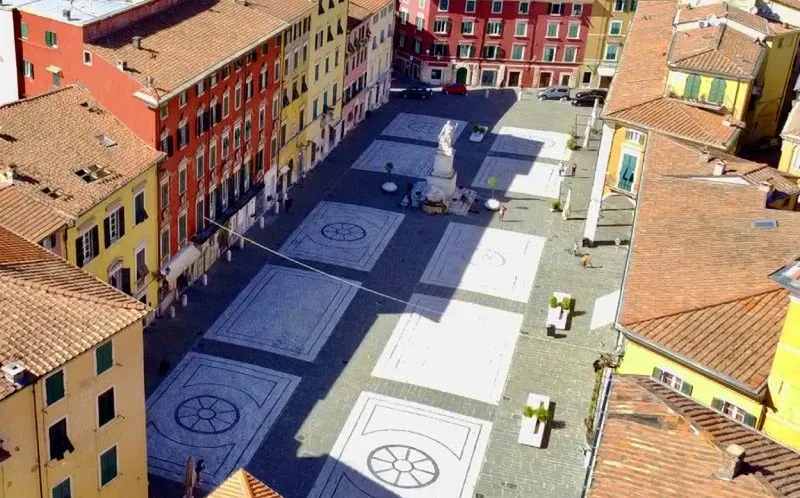
Carrara is much more complex than many travelers expect.
The marble quarries are enormous industrial landscapes still active today, and visiting them without context often means missing the real story behind the scenery.
A guided visit helps you go beyond the typical tourist stop.
Instead of simply looking at marble, you begin to discover:
- how the quarries shaped the territory
- why Carrara became globally famous
- how marble influenced art, architecture and local identity
- the connection between workers, sculptors and daily life
- hidden corners rarely included in standard tours
The goal is not simply to “see the quarries.”
It is to experience the territory behind them.
Not just marble — how the system works
Carrara is often associated with Michelangelo and Renaissance sculpture.
But the city itself tells a much larger story.
Here marble is still part of everyday life:
in workshops, local traditions, mountain roads, food culture and the identity of the people who live here.
Even today, Carrara feels very different from many polished tourist destinations in Tuscany.
More authentic.
More raw.
More connected to its working history.
And that is exactly what many travelers find fascinating.
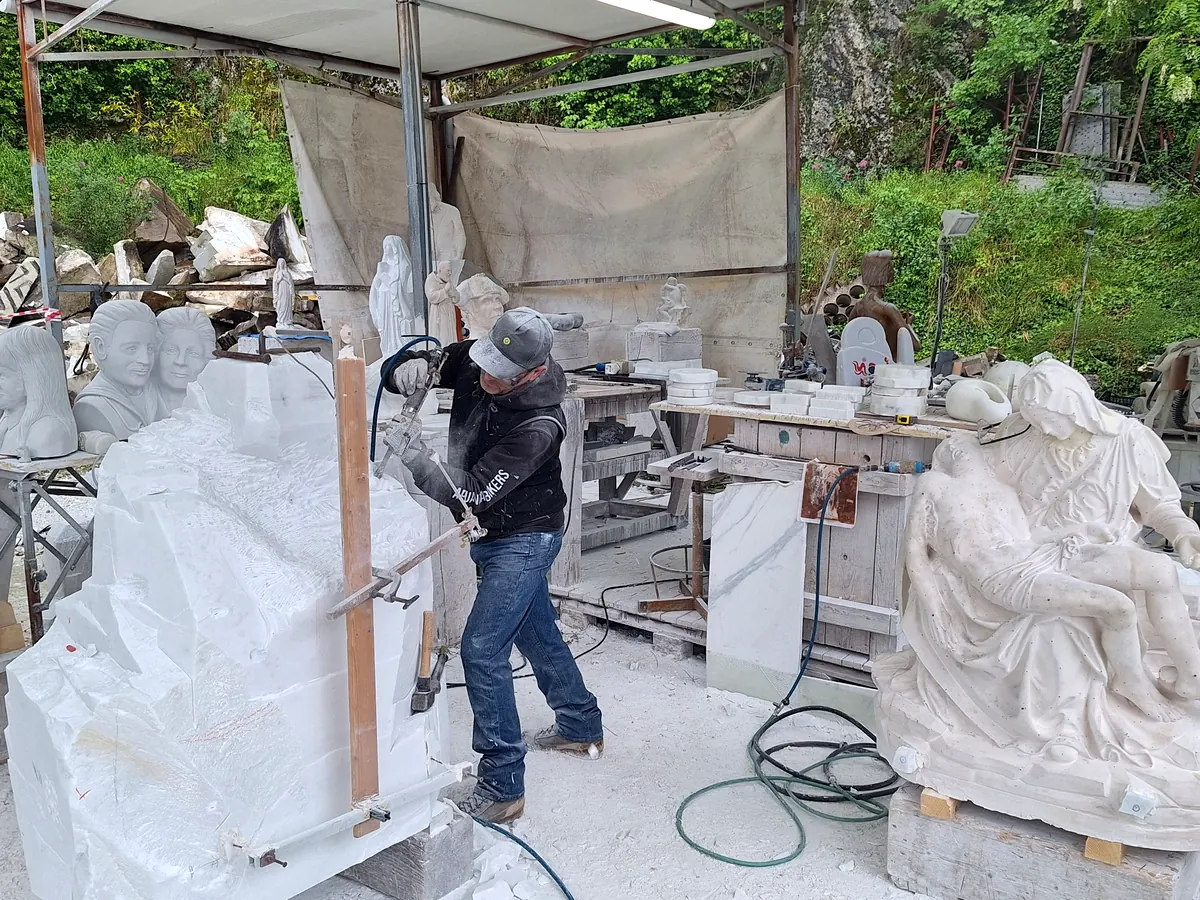
How I work in Carrara
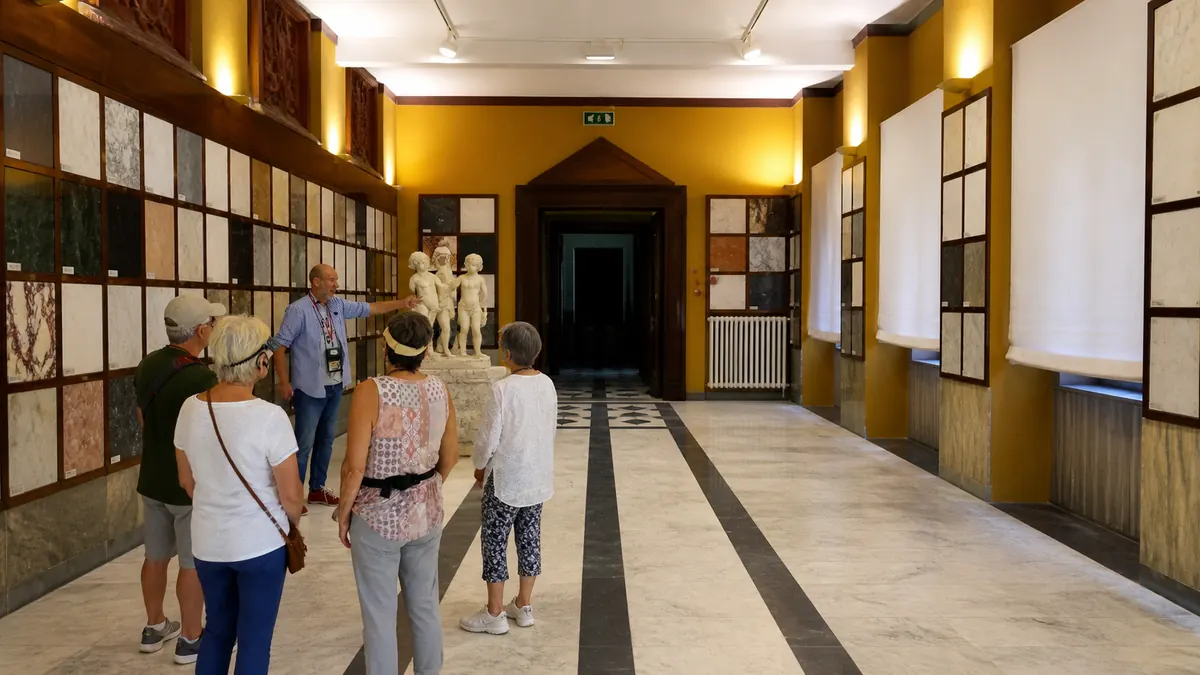
Each visit is built around your time, interests and pace.
My approach is flexible and personal, combining landscape, local stories and authentic places still connected to everyday life.
The goal is not simply to see Carrara, but to experience it from a more local perspective:
- quarry exploration (by 4×4 or on foot)
- visits to artisan workshops
- walking through the historic center and visit the Academy of Fine Arts or the Duomo
- local food experiences such as Lardo di Colonnata
This is not about seeing more — but understanding better.
Who this experience is for
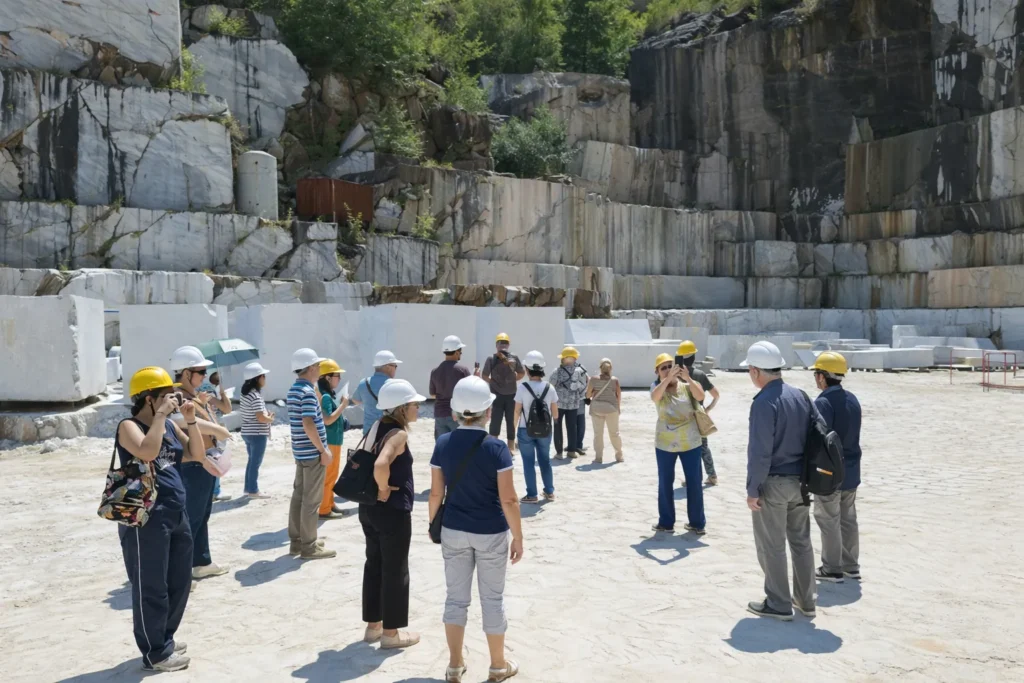
Carrara is ideal for travelers looking for a more authentic side of Tuscany.
This experience is especially appreciated by:
- couples and small private groups
- art and architecture lovers
- photographers
- cruise passengers
- travelers interested in local culture and slower travel
Carrara is not a polished tourist destination — and that is exactly what makes it memorable.
Carrara and the wider territory
Carrara has always been connected to a wider world.
For centuries, marble traveled from these mountains to Florence, Rome and ports across the Mediterranean.
Even today, Carrara works perfectly as part of a broader journey through Tuscany and Liguria, including:
- the Cinque Terre
- Lunigiana
- Florence
- Lucca
- Pisa
- the Tuscan coast
More than a quarry destination, Carrara offers access to a lesser-known side of Italy.
About your guide
Umberto Cattani — Licensed Private Guide in Italy
I am a licensed guide listed in the Italian National Register of Tour Guides, with over 20 years of professional experience.
I work directly with individual travelers and small groups, helping them understand the relationship between marble, the city of Carrara and everyday life.
My goal is not just to show places — but to make them clear.
FAQ About Carrara
Do I need a guide to visit Carrara?
Carrara can be visited on your own, but understanding how the quarries, the city and the marble industry are connected requires context.
What does a visit typically include?
Depending on your interests, a visit may include quarries, artisan workshops, the historic center and local food experiences.
Is transportation included?
Transport can be arranged if needed, either to reach Carrara or to explore the marble quarries.
How long should I plan for a visit?
A meaningful visit usually takes half a day to a full day, depending on what you want to explore.
Plan your visit to Carrara with clarity
f you want to experience it in a meaningful way, we can design the right visit together — based on your time, your interests and how you prefer to explore.